
Trump to Address Nation on Iran As April 6 Hormuz Deadline Looms
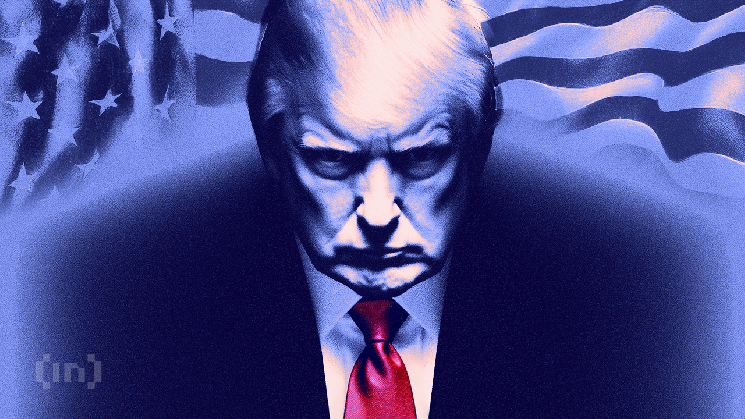
President Donald Trump said Tuesday the US could end its war on Iran within two to three weeks. “They will have no nuclear weapon, and that goal has been attained,” he told reporters at the White House. The strikes killed Iran’s supreme leader and several senior officials — a regime change Trump insists was not among his stated objectives.
But energy markets barely flinched, and for good reason. The real question for markets is not when the war ends — it is when the Strait of Hormuz reopens.
Oil Prices Tell the Real Story
“I would say that within two weeks, maybe two weeks, maybe three,” Trump said. “We’ll leave because there’s no reason for us to do this.”
He went further, saying a deal with Tehran was not necessary for the US to withdraw. “When we feel that they are for a long period of time put into the stone ages, and they won’t be able to come up with a nuclear weapon, then we’ll leave whether we have a deal or not,” he said.
Yet oil markets tell a different story. Brent crude surged about 55% in March, its largest monthly gain since the contract launched in 1988. American drivers are now paying a national average of $4.02 per gallon, the highest level since August 2022. Diesel has climbed past $5, pushing up freight and consumer costs across the board.
Trump placed the burden of reopening the strait squarely on other nations. “I’ve obliterated the country. They have no strength left, and let the countries that are using the strait, let them go and open it,” he said.
So far, the UAE is the only Gulf Arab state to volunteer for a naval force to reopen the waterway. Bahrain is seeking a UN Security Council resolution to authorize a separate maritime task force. Meanwhile, Iran’s foreign minister told Al Jazeera that Tehran has no faith whatsoever that talks with Washington will lead anywhere.
The gap between rhetoric and reality is wide. Trump frames the conflict as nearly over, but the shipping lane that carries about a fifth of global seaborne oil remains largely blocked. Without a clear reopening plan, energy price swings will outlast any ceasefire announcement.
What Traders Are Watching Now: Hormuz
Trump will address the nation Wednesday night on Iran, the White House confirmed. That speech comes just days before his April 6 deadline for Iran to reopen the Strait of Hormuz. The administration has signaled possible military action if Tehran does not comply, including intercepting tankers carrying Iranian crude.
Yet even as Trump talks withdrawal, a third carrier strike group — the USS George H.W. Bush — left Norfolk on Tuesday. The mixed signals leave markets guessing whether escalation or de-escalation comes next.
Bitcoin hovered around $67,900, up a modest 2.2% for the month, while oil posted a historic rally. Across asset classes, prices remain tethered to energy costs — and that will not change until tankers move freely through the Strait of Hormuz again.
Related Articles
Bulls Fight To Defend the Key $80–82 Zone in the Latest Solana price Analysis
Traders are navigating a fragile bounce as the broader crypto market stays risk-off, making this a nuanced moment for any Solana price strategy. $SOL/$USDT...

Zcash explodes 23% – But a bigger move may be coming
Zcash’s [$ZEC] move starts with price, yet the drivers extend beyond a simple rally. $ZEC’s price rose to $329, gaining 23% in 24 hours...

Ethereum Price Clings to $2,120, Can Bulls Drive Fresh Surge?
Ethereum price extended gains above $2,265 before it started a downside correction. $ETH is now correcting gains and might find bids near the $2,120...

Why DePIN and ReFi Are the Most Underrated Crypto Sectors in 2026
While AI tokens and memecoins dominate headlines in 2026, two sectors are quietly gaining ground, DePIN and ReFi. Both are still early, but are...