
SEC Warns Fake Officials Exploit Trust With Fraud Tactics Targeting Investors
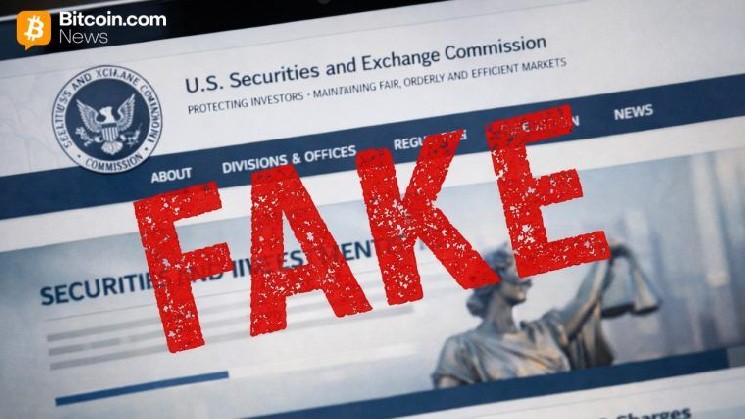
SEC warns of rising impersonation scams using official branding and fake identities to exploit investor trust, highlighting growing risks tied to social media and text-based fraud schemes targeting financial data and funds.
SEC Warns Investors About Impersonation Scams, Fraud Tactics
The U.S. Securities and Exchange Commission (SEC) shared on social media platform X on April 2 an investor alert warning about impersonation scams. The agency cautioned that fraudsters are posing as SEC officials through social media posts and text messages targeting investors. The regulator said:
“Investor Alert: Beware of fraudsters who may impersonate the SEC – or SEC officials or employees – on social media or in text messages to solicit you for scams.”
The agency outlined specific tactics used in these schemes. “These scams include stock tips, advance fee fraud, and offers pretending to help you get your money back,” it noted, describing how attackers use official-looking details to increase credibility. The SEC added that scammers may also collect personal information from victims to steal identities or misappropriate financial assets.
Scammers Use SEC Branding, Identity Theft Risks Grow
The SEC has issued nearly identical warnings in prior alerts, reinforcing that impersonation scams remain a persistent threat. A detailed investor alert published on Sept. 30 last year described fraudsters posing as SEC officials on social media platform X and through text messages, using fake profiles, real employee names, and links to official resources to appear legitimate. That alert specifically pointed to impersonations of Commissioner Hester Peirce, showing how attackers replicate identities to build credibility and mislead investors.
Additional SEC communications have outlined variations of the same core scheme. A previous campaign warned about relationship investment scams, often referred to as “pig butchering,” which begin through unsolicited messages and gradually guide victims into fraudulent investments. Another alert highlighted stock tip scams circulating in group chats, where individuals falsely present themselves as regulators or well-known professionals. The agency has also updated its Public Alert: Unregistered Soliciting Entities list to include so-called bogus regulators, identifying entities that falsely claim government affiliation. Together, these warnings reinforce a consistent enforcement message that impersonation, social engineering, and misuse of authority remain central to investment fraud schemes.
FAQ 🧭
-
What SEC impersonation scams should investors watch for?
Investors should be alert to fake SEC officials offering stock tips, recovery services, or requesting fees via social media and text messages. -
How do scammers use SEC branding to deceive investors?
Fraudsters mimic official SEC seals, websites, and employee identities to create convincing messages that appear legitimate. -
Why are SEC impersonation scams dangerous for financial security?
These scams can lead to stolen funds, identity theft, and unauthorized access to sensitive financial accounts. -
What is the SEC doing to combat impersonation fraud?
The SEC continues issuing investor alerts, updating public warnings, and tracking fraudulent entities exploiting its name.
Related Articles
Crypto RWA Perpetuals Challenge TradFi Market Share
Crypto-native perpetual markets tied to real-world assets ( RWA) are rapidly gaining traction against traditional futures. New data shows sharp growth in trading volumes...

Bitcoin Price Trims Gains, But Uptrend Still Holds Strong
Bitcoin price started a strong increase above the $70,500 zone. $BTC is consolidating gains and might aim for more gains above the $71,650 zone....

Cardano price tests $0.25 support as long liquidations mount, will it crash?
Cardano price fell over 5% towards $0.25 on Thursday, paring off a part of its gains seen on the previous day. According to data...
Crypto Built More Rails, but the Next Battle Is Over How Much Work a Dollar Can Do
Most people think the problem with modern finance comes down to fees, spreads, and slow transfers. Those are real, but the deeper issue feels...